
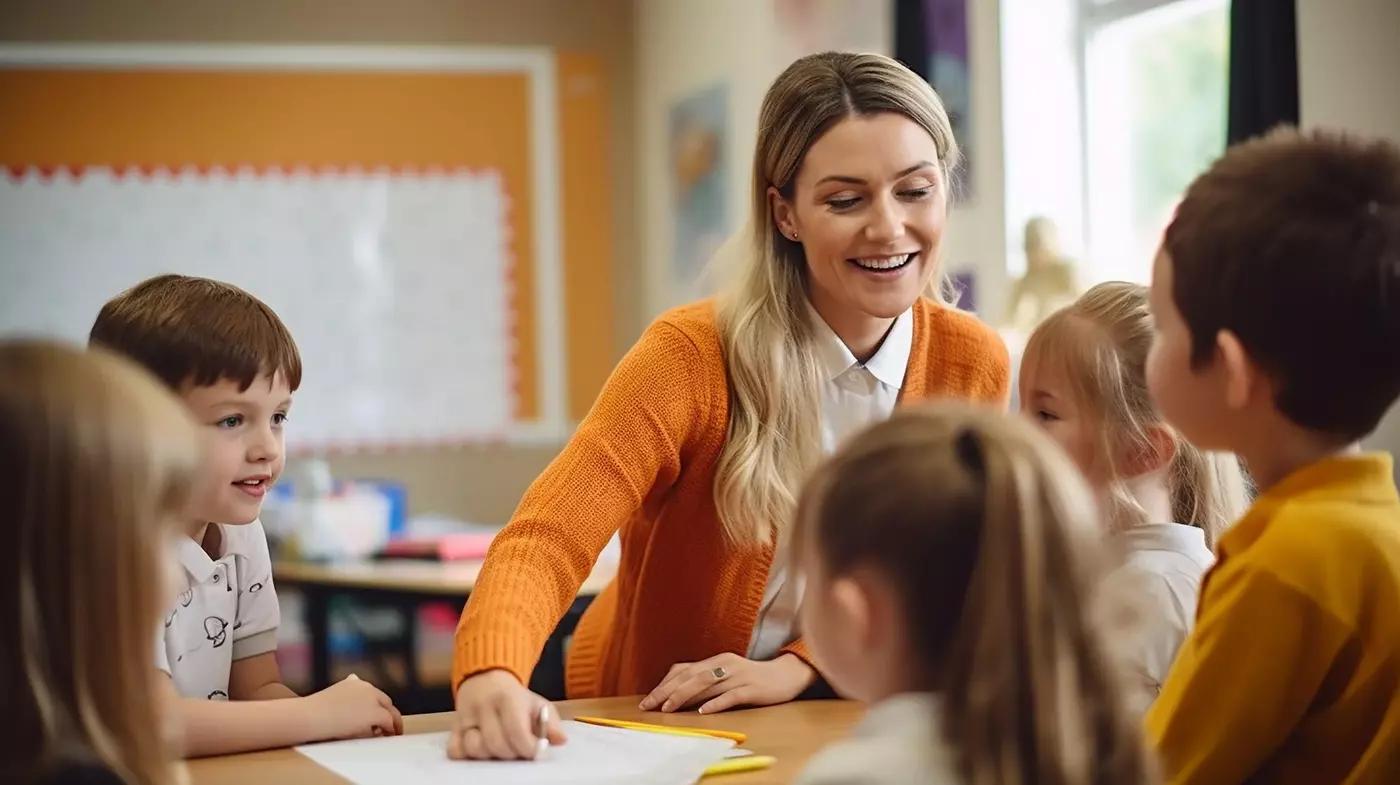
Top Duties of a School Psychologist and Their Duties in Modern Classrooms
School Psychologists and Their Duties Modern classrooms are no longer just about textbooks, grades, and exams. They have become spaces where emotional well-being, social skills, and mental health matter just as much as academic performance. This is where school psychological instructors step in. Their role has grown significantly, making them a vital part of the education system. But what exactly do they do, and why are they so important today? Let’s break it down. Apply Now
Understanding the Role of a School Psychologist and Their Duties
A School Psychologist and Their Duties instructor isn’t just another teacher. They specialise in supporting students’ mental, emotional, and behavioural development. Unlike traditional teachers, their focus goes beyond academics—they look at the whole child. With rising cases of stress, anxiety, and learning challenges, schools now rely on them to create a healthier learning environment. Read another article.
Supporting Students’ Mental Health
School Psychologist and Their Duties. One of the top duties is ensuring students feel mentally supported. They can spot early signs of anxiety, depression, or social withdrawal and provide immediate counselling. Think of them as the emotional safety net every student needs. See More
Promoting Academic Success
Struggling with focus? Lacking motivation? A School Psychologist and Their Duties helps students overcome these barriers by introducing strategies like time management, study habits, and self-regulation techniques. They remind students that success isn’t only about intelligence—it’s also about mindset.
Behavioral Management in Classrooms
Disruptive behaviours can derail an entire class. School Psychologist and Their Duties step in to identify underlying causes—whether it’s stress, bullying, or attention difficulties—and design positive reinforcement systems to redirect behaviour constructively.
Facilitating Social and Emotional Learning (SEL)
SEL is the foundation of modern education. These instructors teach children life skills such as empathy, problem-solving, and teamwork. They also mediate peer conflicts, helping students resolve issues peacefully rather than through fights or arguments.
Collaboration with Teachers and Staff
No teacher is alone in addressing student needs. School Psychologist and Their Duties collaborate closely with educators, providing training on managing sensitive situations and developing inclusive strategies that benefit all students.
Conducting Assessments and Evaluations
Learning challenges often go unnoticed. School Psychologist and Their Duties conduct assessments to spot issues such as dyslexia, ADHD, or processing disorders. Once identified, they collaborate on Individualised Education Plans (IEPs) tailored to student needs.
Crisis Intervention and Support
From bullying incidents to school emergencies, these professionals provide critical crisis support. They ensure students have a safe space to express themselves and help restore calm during chaotic times.
Family and Community Engagement
Education doesn’t stop at the school gate. School Psychologist and Their Duties involve parents in the process, updating them on their child’s progress and connecting families with external resources like therapists or support groups.
Addressing Cultural and Social Diversity
In multicultural classrooms, cultural misunderstandings can affect learning. School Psychologist and Their Duties promote inclusivity, fight bias, and teach respect for diversity—ensuring every child feels seen and valued.
Implementing Preventive Programs
Why wait for problems to appear when they can be prevented? Instructors design programmes on anti-bullying, stress management, and resilience that empower students before challenges escalate.
Use of Technology in Psychological Support
Technology has revolutionised mental health in education. From digital surveys that track student well-being to online counselling platforms, school psychological instructors embrace tools that make support more accessible.
Challenges Faced by School Psychological Instructors
Despite their importance, these instructors often face heavy caseloads, limited budgets, and resistance from those who still stigmatise mental health issues. Balancing all responsibilities can feel like juggling with one hand tied.
The Future of School Psychological Instruction
Looking ahead, the demand for psychological instructors will only increase. With schools moving toward holistic education, their role will evolve to include digital wellness, resilience training, and even AI-driven support systems.
FAQs
- What is the main responsibility of a school psychological instructor?
Their main role is to support students’ mental, emotional, and behavioural well-being while enhancing academic success. - How do they differ from regular teachers?
Unlike regular teachers who focus on academics, psychological instructors focus on emotional and psychological development. - Can they diagnose learning disabilities?
Yes, they conduct assessments and collaborate with behavioural professionals to identify conditions like ADHD or dyslexia. - How do they help during a crisis?
They provide immediate counselling, create safety plans, and guide both students and staff through emergencies. - What skills are essential for this role?
Empathy, communication, problem-solving, and knowledge of child psychology are key skills for a school psychological instructor.

Comments (…)