
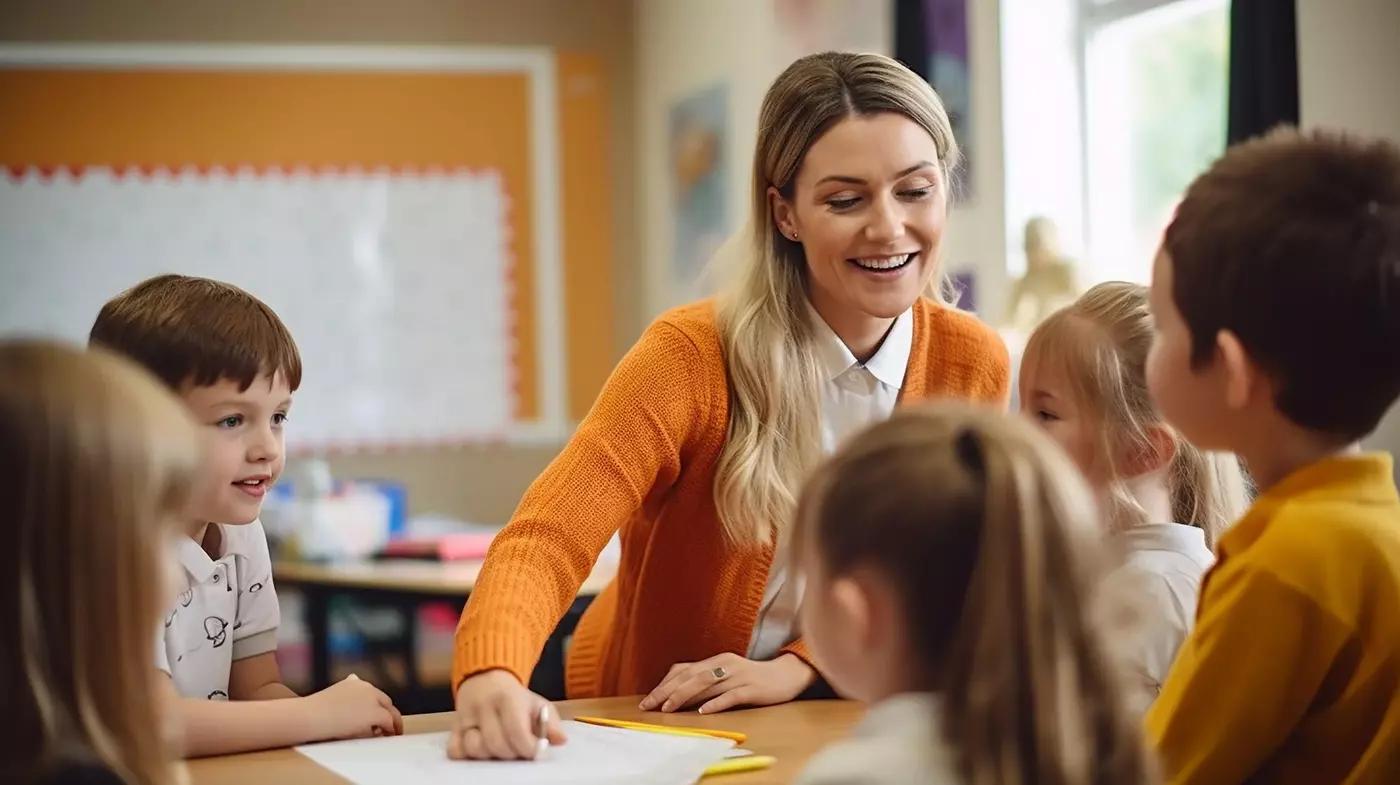
Effective Teaching Methods for School Psychologists
School Psychologist are more than just specialists who handle mental health concerns in schools—they are educators, guides, and advocates who play a crucial role in shaping students’ growth. For them, teaching is not limited to the classroom; it extends to counselling sessions, group interventions, and staff training. But here’s the real challenge: how can school psychologists teach effectively so their message resonates? Let’s dive into the best teaching methods that make their work impactful and student-centred. Apply Jobs Now
Understanding the Role of School Psychologists
Supporting Mental Health and Well-being
School psychologists help students manage stress, anxiety, depression, and behavioural concerns. Teaching coping strategies empowers children to handle challenges with resilience.
Bridging the Gap Between Students, Teachers, and Parents
They act as connectors—ensuring teachers understand student needs while guiding parents to support learning at home.
Identifying Learning and Behavioral Challenges
Through observation, testing, and conversations, school psychologists detect issues early, making interventions more effective. Read More
Foundations of Effective Teaching for School Psychologists
Building Trust and Rapport
Students open up when they feel safe. A smile, active listening, and non-judgemental responses go a long way.
Active Listening and Empathy
Teaching isn’t just about talking—it’s about hearing what students aren’t saying and validating their emotions.
Creating a Safe and Inclusive Environment
Diversity matters. Every child should feel seen, respected, and included in learning experiences.
Teaching Strategies for School Psychologists
Direct Instruction with Clarity and Structure
Sometimes, students just need clear, step-by-step guidance—especially when learning coping strategies.
Collaborative Learning and Group Discussions
Group sessions encourage peer support and normalise challenges by showing students they are not alone.
Problem-Solving and Case Study Methods
Real-life scenarios help students think critically and find practical solutions to social and emotional issues.
Role-Playing and Simulation Activities
Role-play brings abstract concepts—like conflict resolution or empathy—into real, memorable experiences.
Innovative Approaches to Teaching
Technology-Driven Teaching Tools
Apps for mindfulness, virtual counselling platforms, and digital assessments keep students engaged.
Gamification in Psychological Education
Turning lessons into interactive games makes learning fun and increases motivation.
Visual Aids and Storytelling Techniques
Stories stick. Using visuals and narratives makes psychological principles relatable and easy to understand.
Addressing Diverse Learning Needs
Differentiated Instruction for Various Student Abilities
No two learners are the same—adapting lessons ensures everyone benefits.
Culturally Responsive Teaching Practices
Respecting cultural differences builds trust and strengthens learning outcomes.
Strategies for Students with Special Needs
Tailored teaching, assistive technology, and one-on-one sessions make a big difference.
Integrating Social-Emotional Learning (SEL)
Promoting Resilience and Coping Skills
Helping students bounce back from setbacks prepares them for lifelong success.
Teaching Emotional Regulation Techniques
Breathing exercises, mindfulness, and journaling help students control emotions effectively.
Encouraging Empathy and Compassion in Classrooms
When students learn to step into others’ shoes, school becomes a kinder, safer place.
Classroom Management Techniques for School Psychologists
Positive Reinforcement Strategies
Celebrating progress, no matter how small, boosts confidence and motivation.
Conflict Resolution Skills
Teaching students to resolve disagreements respectfully reduces disruptions.
Preventive Behavior Management
Proactive strategies—like setting expectations—prevent problems before they escalate.
Building Partnerships in Education
Collaborating with Teachers and Administrators
School psychologists enhance teaching practices by working hand-in-hand with staff.
Engaging Families and Communities
Parents are partners in education, and their involvement makes interventions stronger.
Working with External Support Services
Psychologists often coordinate with therapists, doctors, or community organisations for holistic support.
Assessment and Feedback in Teaching
Continuous Evaluation of Student Progress
Monitoring growth helps tailor interventions to individual needs.
Constructive Feedback Methods
Feedback should empower, not discourage. Focus on strengths while addressing areas of improvement.
Using Assessment Data for Intervention Planning
Data-driven decisions Ensure targeted and effective teaching methods.
Professional Development for School Psychologists
Lifelong Learning and Skill Enhancement
The field of psychology is ever-evolving—continuous learning is essential.
Attending Workshops and Seminars
These provide fresh insights and updated teaching strategies.
Networking with Other Professionals
Collaboration sparks innovation and shared problem-solving.
Challenges in Teaching as a School Psychologist
Limited Resources and Time Constraints
Heavy caseloads can make personalised teaching challenging.
Addressing Stigma Around Mental Health
Breaking stereotypes is part of the teaching journey.
Balancing Multiple Roles Effectively
School psychologists juggle assessment, counselling, and teaching simultaneously. See More
Future Trends in Teaching for School Psychologists
AI and Digital Platforms in Psychology Education
Artificial intelligence will revolutionise assessments and learning tools.
Trauma-Informed Teaching Practices
Understanding trauma’s impact on learning ensures compassionate interventions.
Focus on Holistic Student Development
The future emphasises academic, emotional, and social growth together.
FAQs
- What is the main role of a school psychologist in teaching?
Their role is to teach coping strategies, life skills, and emotional resilience while supporting academic success. - How can school psychologists improve their teaching effectiveness?
By using interactive methods, building trust, and continuously learning new strategies. - Why is social-emotional learning important in schools?
It helps students manage emotions, build healthy relationships, and succeed in life. - What teaching methods work best for students with special needs?
Individualized instruction, assistive technology, and patient, step-by-step approaches. - How will technology impact school psychology teaching methods in the future?
Digital platforms, AI tools, and virtual support will make interventions more accessible and personalized.
Comments (…)