
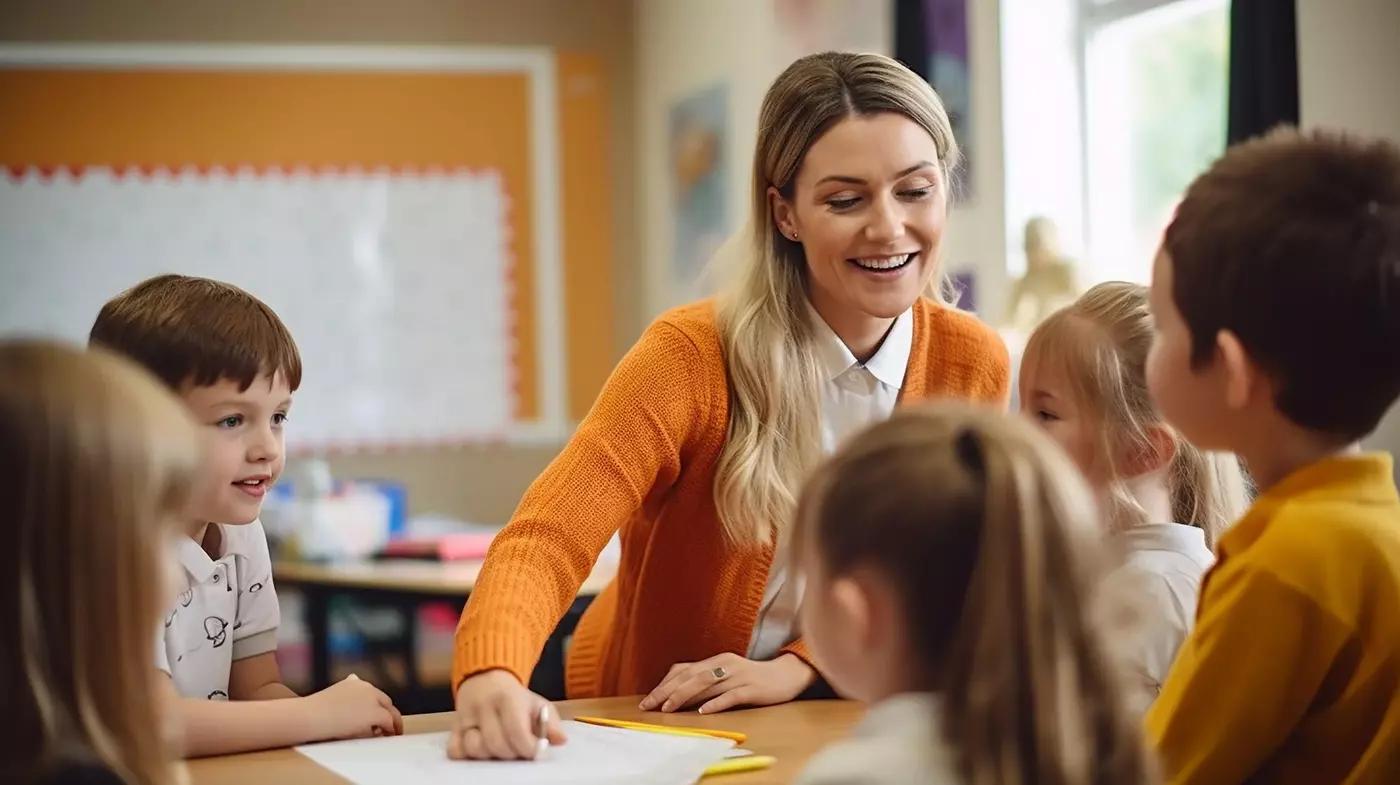
What is a School Psychologist: A Comprehensive Guide for Parents, Teachers, and Students
School Psychologist Every child deserves the chance to succeed in school—not just academically, but socially, emotionally, and behaviourally. That’s where school psychologists come in. These professionals are the bridge between education and mental health, helping students, parents, and teachers navigate the challenges that come with learning and growing. Apply Jobs Now
Understanding the Role of a School Psychologist
Difference between School Psychologists and School Counselors
Many people confuse school psychologists with school counsellors. While both roles support students, counsellors often focus on academic guidance and career planning, while psychologists specialise in mental health, learning, and behaviour. Read More
Core Responsibilities in a School Setting
School psychologists conduct assessments, provide counselling, design interventions, support teachers, and collaborate with parents to ensure every child’s needs are met.
Educational Background and Training
Required Degrees and Certifications
School psychologists typically need at least a specialist-level degree (Ed.S.) or a doctorate (Ph.D. or Psy.D.) in psychology or school psychology, along with state licensure or certification.
Skills and Qualities of an Effective School Psychologist
Empathy, patience, strong communication, problem-solving, and cultural sensitivity are crucial for success in this profession. See More
Services Offered by School Psychologist’s
Academic Support
They help identify barriers to learning, create strategies for struggling students, and collaborate on instructional planning.
Behavioral Interventions
School psychologists address disruptive behaviours, implement positive reinforcement systems, and design behaviour improvement plans.
Emotional and Social Support
They provide counselling for issues like stress, self-esteem, and peer relationships.
Special Education Services
School psychologists play a key role in diagnosing learning disabilities and developing IEPs.
How School Psychologist’s Help Students
Identifying Learning Disabilities
Through testing and observation, they determine whether a child has dyslexia, ADHD, or other conditions impacting learning.
Supporting Mental Health and Well-Being
From depression anxiety, psychologists provide coping strategies, therapy, and referrals if needed.
Building Resilience and Coping Strategies
They teach children problem-solving skills, stress management, and self-advocacy.
How School Psychologist’s Support Teachers
Classroom Management Strategies
They offer teachers tools to handle disruptive behaviours while maintaining a positive learning environment.
Designing Individualized Education Programs (IEPs)
Psychologists collaborate with teachers to create tailored plans for students with unique needs.
Providing Teacher Training and Resources
Workshops and consultations help teachers address learning differences more effectively.
How School Psychologist’s Support Parents
Helping Parents Understand Assessments
They break down test results into easy-to-understand explanations.
Building Home-School Connections
School psychologists encourage parent involvement in their child’s education.
Guidance for Parenting Challenges
From managing screen time to dealing with bullying, they provide strategies that work at home.
Common Issues Addressed by School Psychologists
Anxiety and Depression
They help students manage overwhelming emotions that interfere with learning.
ADHD and Learning Disabilities
Early identification and intervention are key to student success.
Bullying and Peer Conflicts
They mediate conflicts and create anti-bullying initiatives.
Family and Social Challenges
Issues at home often impact school performance, and psychologists provide support accordingly.
The Assessment Process
Psychological Testing
This involves IQ tests, personality assessments, and emotional evaluations.
Academic Evaluations
School psychologists assess reading, writing, and maths skills to identify learning gaps.
Behavioral Observations
Watching students in class helps identify triggers for problem behaviours.
Intervention and Support Plans
Individual Counseling
One-on-one sessions allow students to express concerns privately.
Group Counseling Sessions
Group settings encourage peer support and skill-building.
Crisis Intervention
During emergencies—like a sudden loss or traumatic event—school psychologists provide immediate care.
Collaboration in the School Community
Working with Teachers and Staff
They ensure educators have the tools to support diverse learners.
Partnering with Parents
A strong home-school partnership improves student outcomes.
Community Resources and Referrals
When schools can’t provide all services, psychologists connect families to outside support.
Importance of School Psychology in Modern Education
Mental Health Awareness in Schools
Psychologists raise awareness about emotional well-being in schools.
Promoting Inclusive Education
They ensure students with disabilities or learning differences receive equal opportunities.
Creating Safe and Supportive Learning Environments
Psychologists contribute to policies and practices that protect students’ rights.
Challenges Faced by School Psychologists
High Student-to-Psychologist Ratios
Often, one psychologist serves hundreds of students, limiting personalised care.
Limited Resources and Time Constraints
Schools may lack funds for extensive psychological services.
Stigma Around Mental Health
Many families still hesitate to seek psychological support.
Future of school psychologists
Role of Technology and Online Support
Virtual counselling and digital assessments are becoming common.
Expanding Focus on Early Intervention
More emphasis is placed on identifying issues in early childhood.
Greater Advocacy for Student Well-Being
School psychologists are pushing for policies that prioritise mental health in education.
FAQs
- What is the main role of a school psychologists?
To support students’ learning, mental health, and behaviour while helping parents and teachers create a positive school environment. - How do school psychologists differ from counsellors?
Counsellors focus on academics and career guidance, while psychologists specialise in mental health, learning disabilities, and behaviour. - Can school psychologists diagnose mental health conditions?
Yes, they can assess and diagnose certain conditions, though severe cases may be referred to clinical psychologists or psychiatrists. - How can parents approach a school psychologists for help?
Parents can request meetings through teachers, administrators, or directly at the school’s counselling office. - What should students expect when meeting a school psychologist?
A safe, supportive environment where they can talk openly and receive guidance for personal or academic struggles
Comments (…)